
What Is a SaaS software? And how does it work?
Discover the power of SaaS software — a cloud-based solution transforming how businesses use software. Learn how SaaS works, its benefits, real-world use cases, and future trends in this comprehensive guide.
INFORMATIVE
10/1/20252 min read
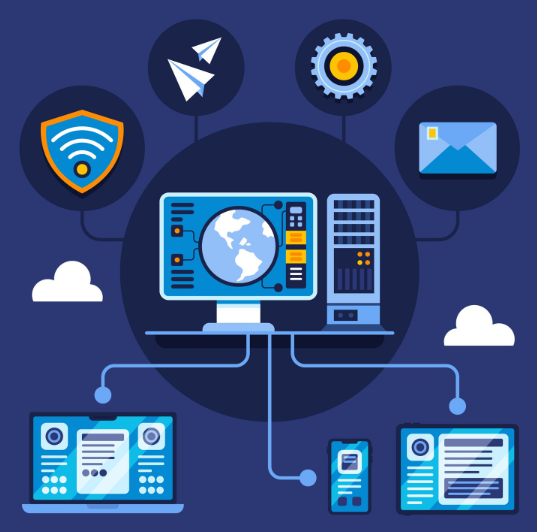
Saas - Software as a Service
What Is a SaaS Software?
Software as a Service (SaaS) is a cloud-based software delivery model where applications are hosted by a service provider and made accessible to users over the internet. Instead of purchasing and installing software on local devices, users subscribe to SaaS applications and access them via web browsers. This model removes the need for complex software installation and maintenance on individual devices.
How Does SaaS Work?
SaaS software works through a cloud infrastructure where the provider manages the servers, databases, security, updates, and backups. Users connect to the software via an internet connection, with all processing done on the provider’s side. The multitenant architecture means multiple customers share a single software instance, which optimizes resources and reduces costs.
What are the benefits of SaaS software to the businesses?
Cost Efficiency: SaaS uses a subscription-based pricing model eliminating expensive upfront costs.
Scalability: Easily scale your usage up or down based on business needs.
Accessibility: Access SaaS applications from any device with internet, enhancing workforce mobility.
Automatic Updates: Software updates and security patches are handled by the provider, removing IT burdens.
Integration Capabilities: Many SaaS applications offer APIs for seamless integration with other business tools.
What are the common examples of SaaS Software?
SaaS software is widely used in:
Customer Relationship Management (CRM) like Salesforce, Zoho CRM, Hubspot CRM, Monday.com etc.
Project Management Tools such as Asana and Trello
Communication Platforms like Slack and Zoom
Email and Productivity Suite software including Google Workspace and Microsoft 365
Data Analytics and Business Intelligence tools like Tableau, Power BI etc.
Landing page platform provider like Unbounce.
Why Businesses Should Choose Saas Softwares?
Businesses prefer SaaS because it enables quick deployment without the need for complex infrastructure, reduces IT overhead, and provides the flexibility to support growth without major investments. The subscription model also aligns costs with actual usage, which is attractive for startups and enterprises alike.


Future of Saas Software
The SaaS industry is evolving with increased adoption of Artificial Intelligence (AI), low-code/no-code platforms, and enhanced security and compliance measures. These advancements are making SaaS even more accessible, intelligent, and reliable for a wide range of applications. Security and compliance remain top priorities as SaaS adoption grows. Despite the benefits, over 60% of SaaS apps have low or poor security ratings, underscoring the need for stronger cybersecurity measures. Enterprises increasingly focus on robust security frameworks, data privacy compliance, and backup solutions for their SaaS ecosystems.
Market-wise, the global SaaS industry is projected to reach around $300 billion in 2025, with a steady compounded annual growth rate (CAGR) of about 13% through 2034, ultimately targeting over $1.25 trillion by 2034. Companies are using an average of 106 SaaS applications each, which reflects the growing demand for diverse, specialized SaaS products.
The geographical expansion of SaaS is also notable, with markets like North America holding nearly 46% of global market share and emerging regions like India growing at a rapid pace of 30-35% annually.
Customer retention is becoming more critical as well, with average churn rates around 3.5% to 7% depending on company size. This pushes SaaS providers to enhance customer success programs and offer superior product experiences.